Which Water Shoes Are the Best Quality? A Buying Guide
64% off on product page · save $46.14
Which Water Shoes Are the Best Quality? A Buying Guide
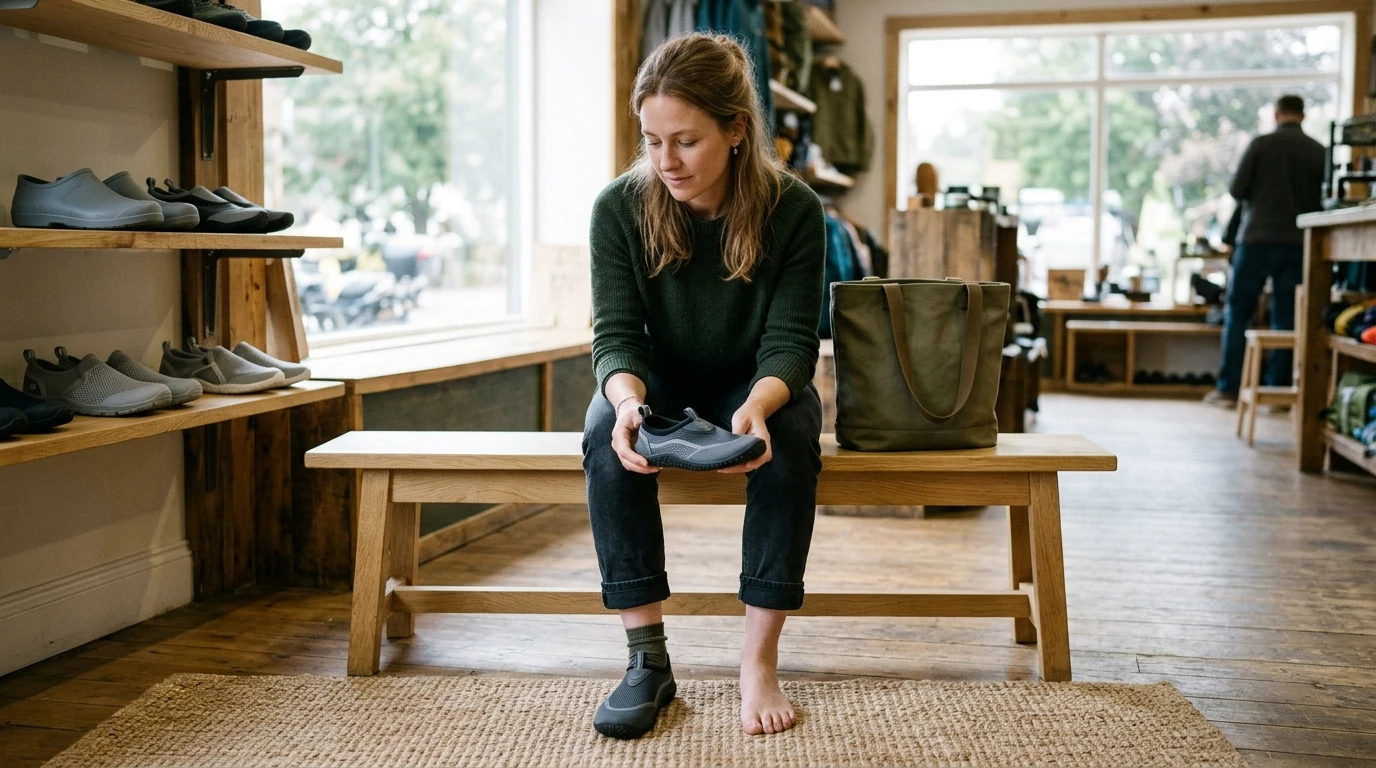
Look for a secure, comfortable fit
Choose water shoes that feel snug without squeezing your toes, and leave enough room for your toes to move while keeping your heel from slipping when you walk. If you plan to swim, a close fit is especially helpful because loose shoes can shift or come off in the water; for rocky shorelines, make sure the fit also feels stable when you step onto uneven ground.
Check the product’s listed specifications when evaluating look for a secure, comfortable fit.
Match the sole to the surface
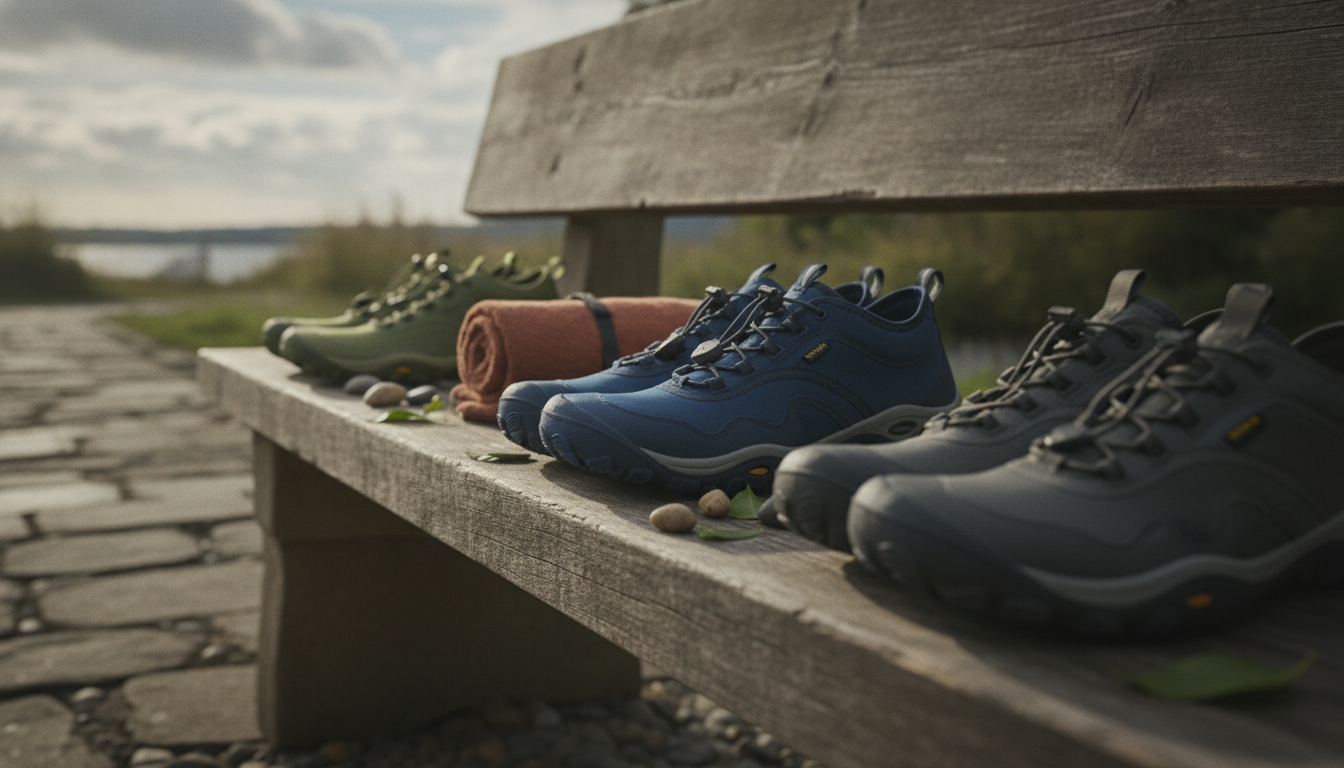
For beaches and pool areas, a flexible sole can feel comfortable underfoot, while a thicker, more structured sole may provide more protection on rough shorelines. Look for a tread pattern suited to the surfaces you expect, but remember that no sole can guarantee traction on every wet, slick surface, so walk carefully around pools and rocks.
Featured in this guide
Breathable Unisex Water Shoes
Compare materials and construction
For regular use in water, look for materials that can dry readily and construction that feels secure where the upper joins the sole. Inspect seams and attachment points for uneven stitching or gaps, and consider whether the shoe is easy to put on and take off when your feet are wet.
Choose for your planned activity
Lightweight, close-fitting shoes are often practical for swimming, while walking over shells, stones, or hot sand may call for more coverage underfoot. Our guide to the best-quality water shoes can help you weigh those priorities, and our Breathable Unisex Water Shoes are another style to consider as you compare options.
Care for water shoes after use
Rinse away sand and salt after use, then let your shoes air-dry thoroughly before storing them to help reduce lingering odors. Follow any care instructions provided with your pair, and avoid leaving them packed wet for long periods.
FAQ
What are the best water shoes for swimming?
For swimming, look for a lightweight pair with a snug fit that stays on without pinching your feet. A flexible sole can make movement feel more natural, while a secure heel helps keep the shoes in place as you kick.
See if Breathable Unisex Water Shoes fits your setup












Leave a comment