What Is the Most Durable Type of Rug? A Practical Guide
60% off on product page · save $332.72
What Is the Most Durable Type of Rug? A Practical Guide
What Makes a Rug Durable?
For many homes, a tightly hand-knotted wool rug is one of the most durable choices because its dense construction and resilient fibers can stand up to years of regular use. Durability depends on more than the fiber alone, though: knot density, construction quality, placement, and care all affect how well a rug wears over time.
Wool is a practical choice for living rooms and other frequently used spaces because its fibers tend to recover from compression and naturally resist some soiling. A well-made wool rug can also be repaired, making it worth considering if you want a rug you can keep for many years.
How Do Other Rug Materials Compare?
Nylon is a strong synthetic option that generally handles foot traffic and abrasion well, making it useful in busy family rooms and hallways. Polypropylene can be an affordable choice for areas where spills are a concern, although it may flatten under heavy furniture or traffic.
Natural fibers such as jute and sisal offer a textured look, but they can be less forgiving around moisture and may feel rough underfoot. Silk and viscose have a softer, more lustrous appearance, yet they are generally better suited to lower-traffic rooms where you can protect them from spills and abrasion.
Featured in this guide
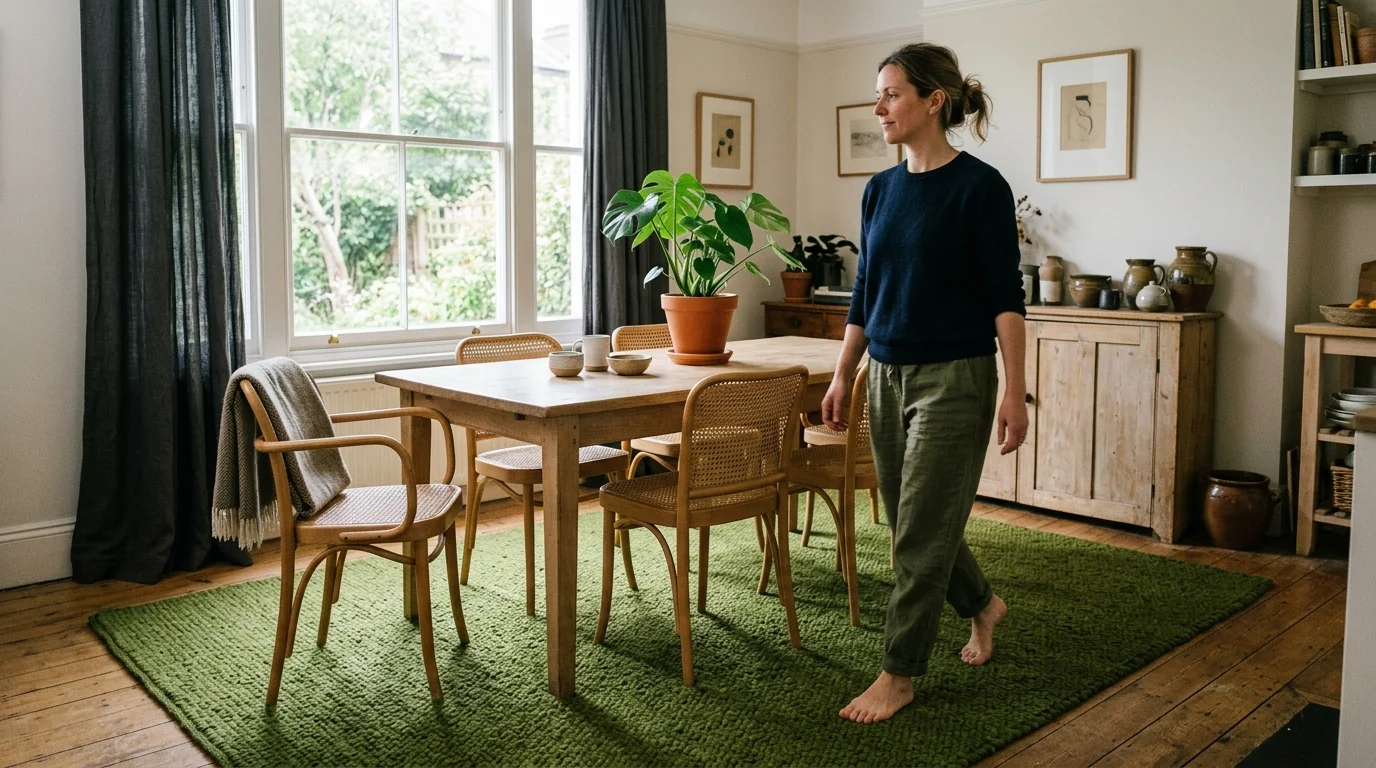
Hand Tufted Moss Floral Area Rug
Does Rug Construction Matter?
Hand-knotted rugs are often a strong long-term choice because their individual knots create a sturdy structure that can be repaired when needed. Flatwoven rugs have no pile to crush and can work well in active spaces, though their longevity still depends on the materials and quality of the weave.
Hand-tufted rugs can offer a plush look and feel, but their backing and pile construction differ from those of hand-knotted rugs. If you like a decorative style, our Hand Tufted Moss Floral Area Rug guide offers placement and care ideas to help you plan your space.
Check the product’s listed specifications when evaluating does rug construction matter.
How Can You Help a Rug Last?
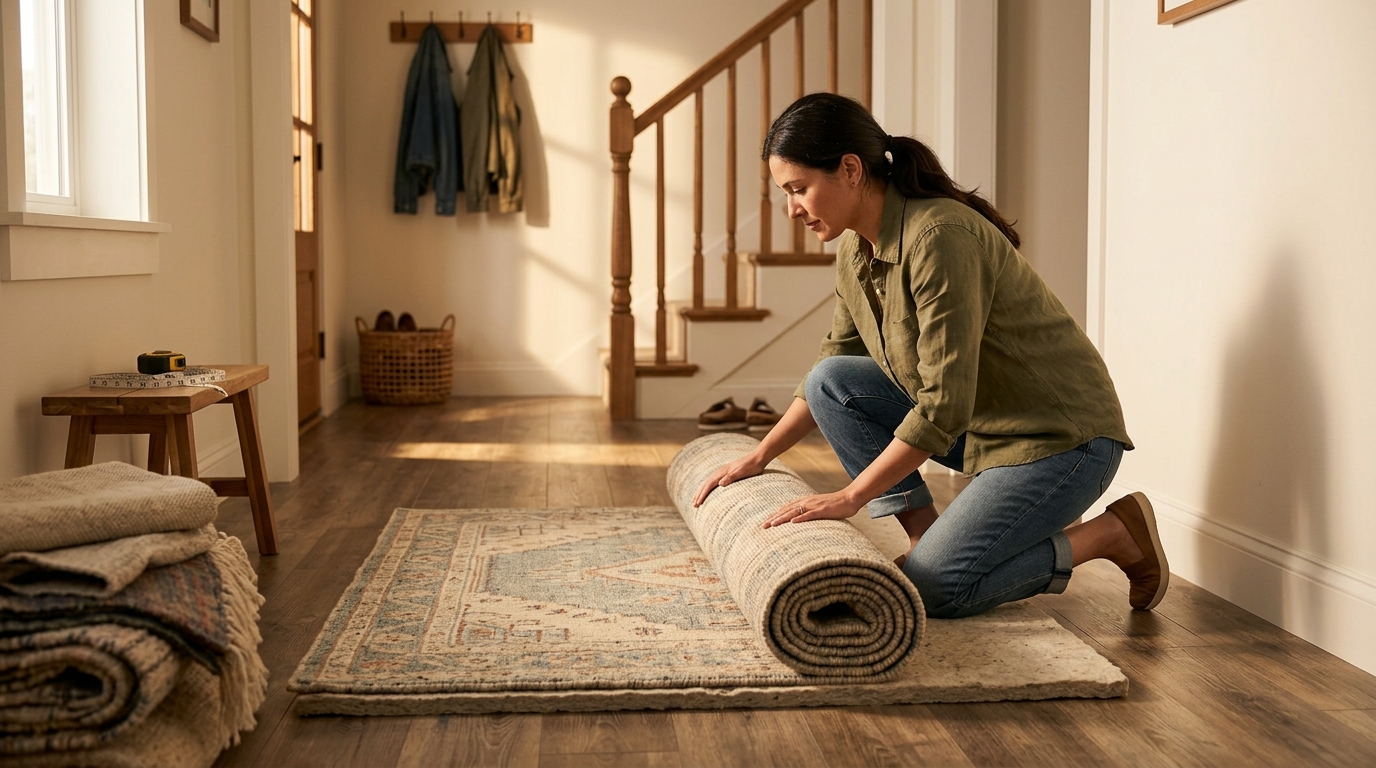
Choose a material and construction that suit the room, then use a rug pad to help limit slipping and reduce wear against the floor. In a hallway or entryway, consider a rug that can handle frequent traffic rather than selecting solely for a delicate finish.
Vacuum regularly using a setting appropriate for the rug, rotate it periodically to distribute wear, and blot spills promptly instead of rubbing them into the fibers. For deeper cleaning or repairs, our team recommends choosing a professional who is familiar with your rug’s material and construction.
See if Hand Tufted Moss Floral Area Rug fits your setup











Leave a comment