What Can Defeat a Hydraulic Press? Key Limits
53% off on product page · save $264.96
What Can Defeat a Hydraulic Press? Key Limits
What Can Stop a Hydraulic Press?
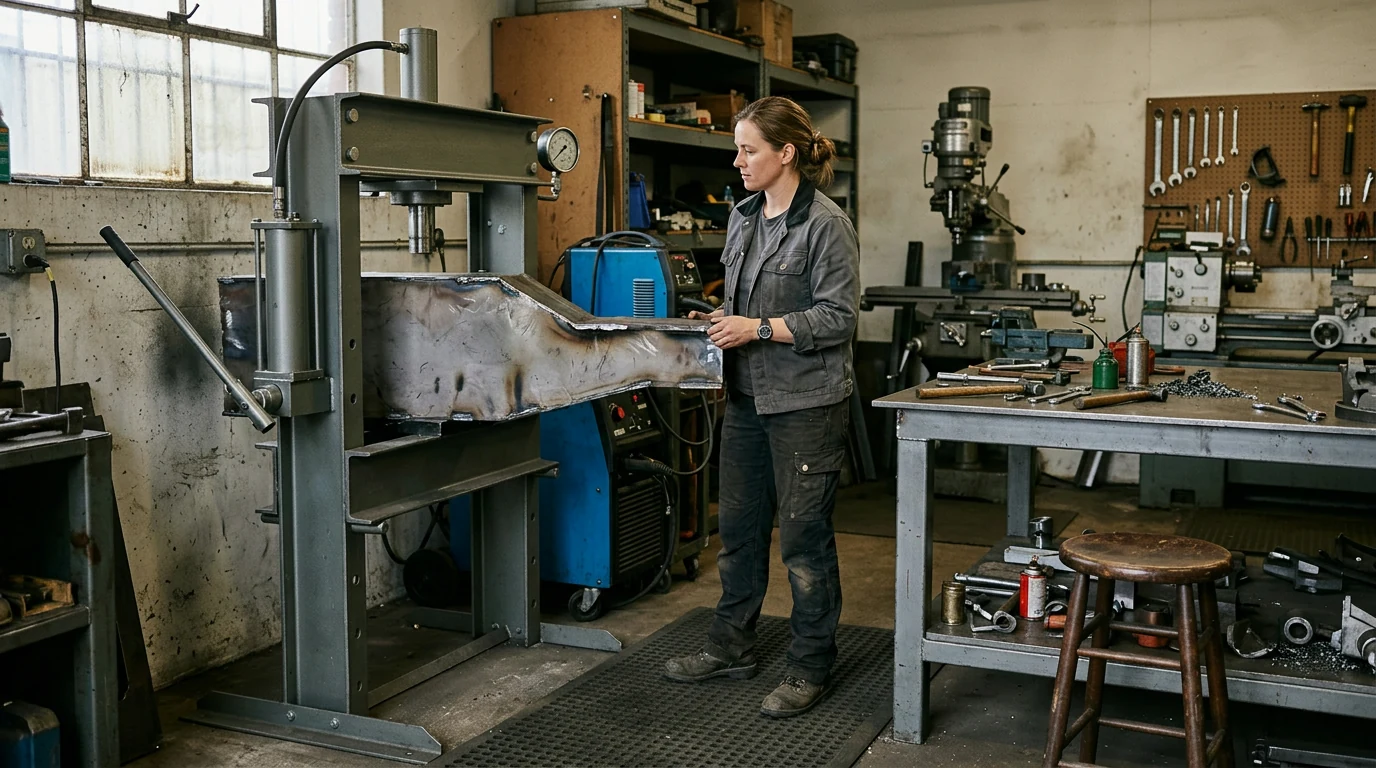
A hydraulic press can be defeated by a load that exceeds its capacity, a mechanical failure, or a workpiece that slips instead of being pressed in the intended direction. A press does not have to break to be defeated: if the material bends, shifts, or remains stuck when the press reaches its rated load, the job has not been completed.
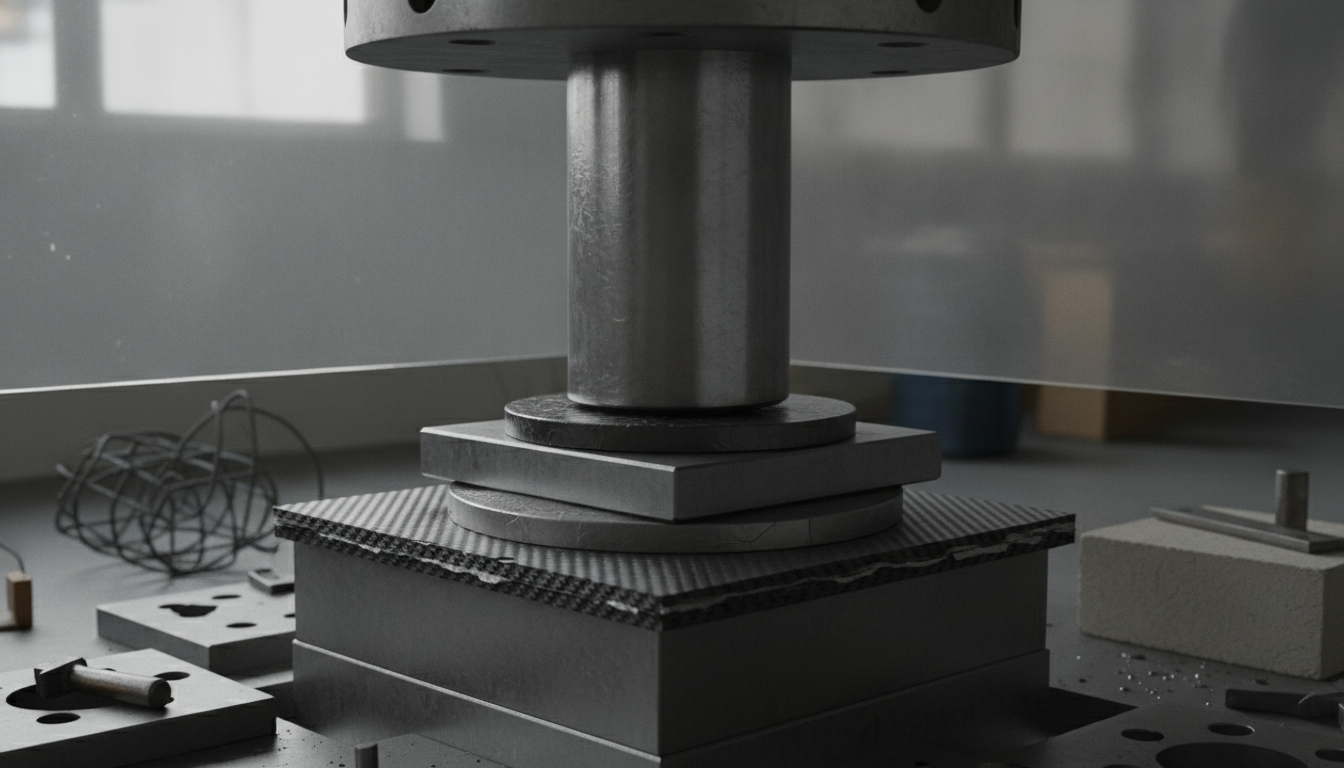
Hardness alone does not determine the outcome, because the result also depends on the workpiece’s shape, support, contact area, and strength under compression. A hardened steel part, for example, may resist indentation at the contact point, while a poorly supported part may bend or fracture before the press achieves the desired result.
Check the product’s listed specifications when evaluating what can stop a hydraulic press.
When the Load Exceeds the Press
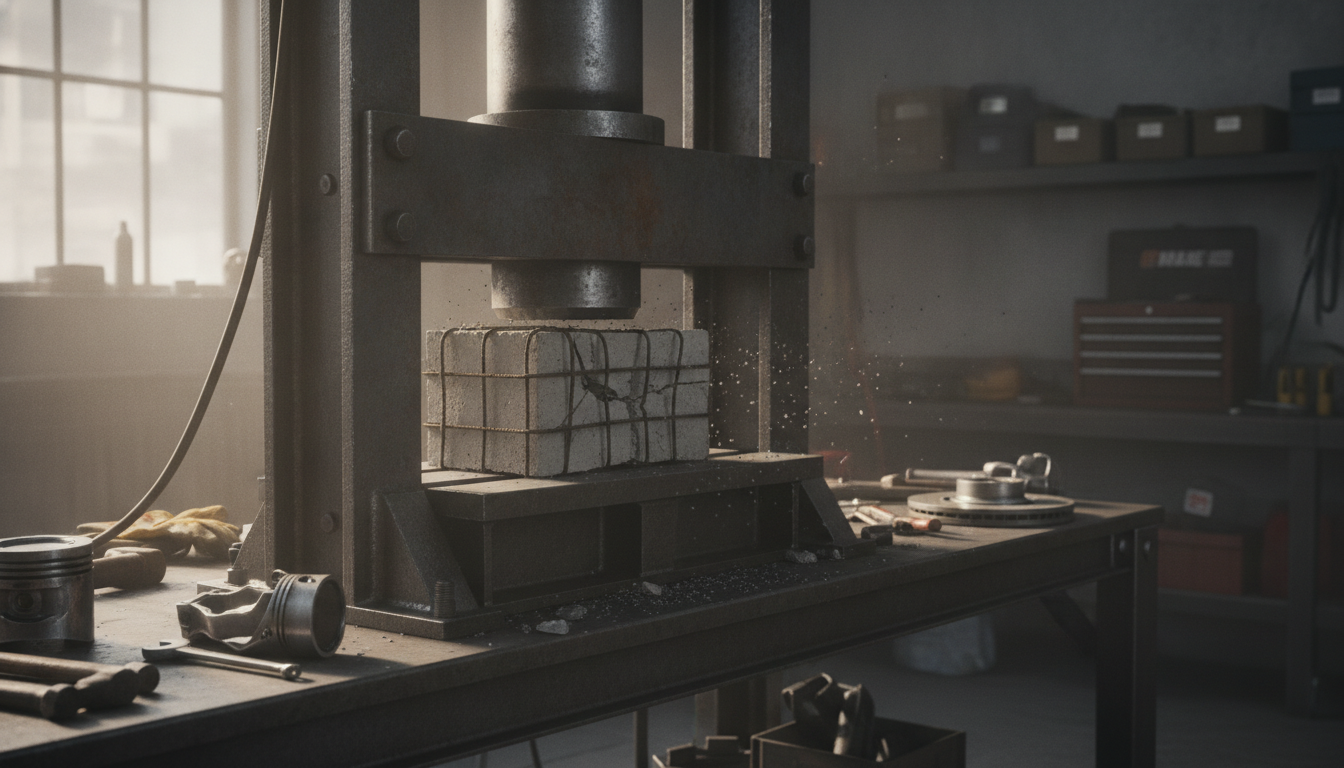
A press has a finite force rating, so a seized bearing, thick structural component, or other stubborn assembly may require more force than the machine can safely provide. Our 12-Ton Heavy Duty Hydraulic Shop Press for Garage and Workshop is rated at 12 tons; you should not assume that every stuck or heavy-looking part can be moved within that limit.
If a part does not move under controlled pressure, stop rather than adding leverage, modifying the press, or trying to exceed its rating. Reassess the setup and consider whether the job needs a different tool, a higher-capacity press, or professional service.
Featured in this guide
12-Ton Heavy Duty Hydraulic Shop Press for Garage and Workshop
What Can Damage a Press?
Overloading, applying force at an angle, and using damaged components can bend or break parts of a press or compromise its hydraulic system. Leaks, unusual noises, deformation, or a ram that does not move normally are reasons to stop using the equipment and address the problem before continuing.
To help keep your press in working condition, inspect it before use and follow its manufacturer’s instructions for operation and maintenance. Our team recommends treating the force rating as a limit, not a challenge, and choosing a different approach whenever you cannot support and control the work safely.
FAQ
What can destroy a hydraulic press?
Severe overloading, an unstable or misaligned setup, and continued use with damaged components can cause serious press failure. Stop immediately if you see deformation or leaking, and have the problem addressed before using the press again.
What beats a hydraulic press?
A load requiring more force than the press is rated to deliver can prevent it from completing a job. Poor alignment, slipping supports, or a part that fractures unexpectedly can also defeat an otherwise capable setup.
See if 12-Ton Heavy Duty Hydraulic Shop Press for Garage and Workshop fits your setup













Leave a comment