Are Silicone Baking Cups Safe? Tips for Baking and Care

82% off on product page · save $24.48
Are Silicone Baking Cups Safe? Tips for Baking and Care

Are silicone baking cups safe?
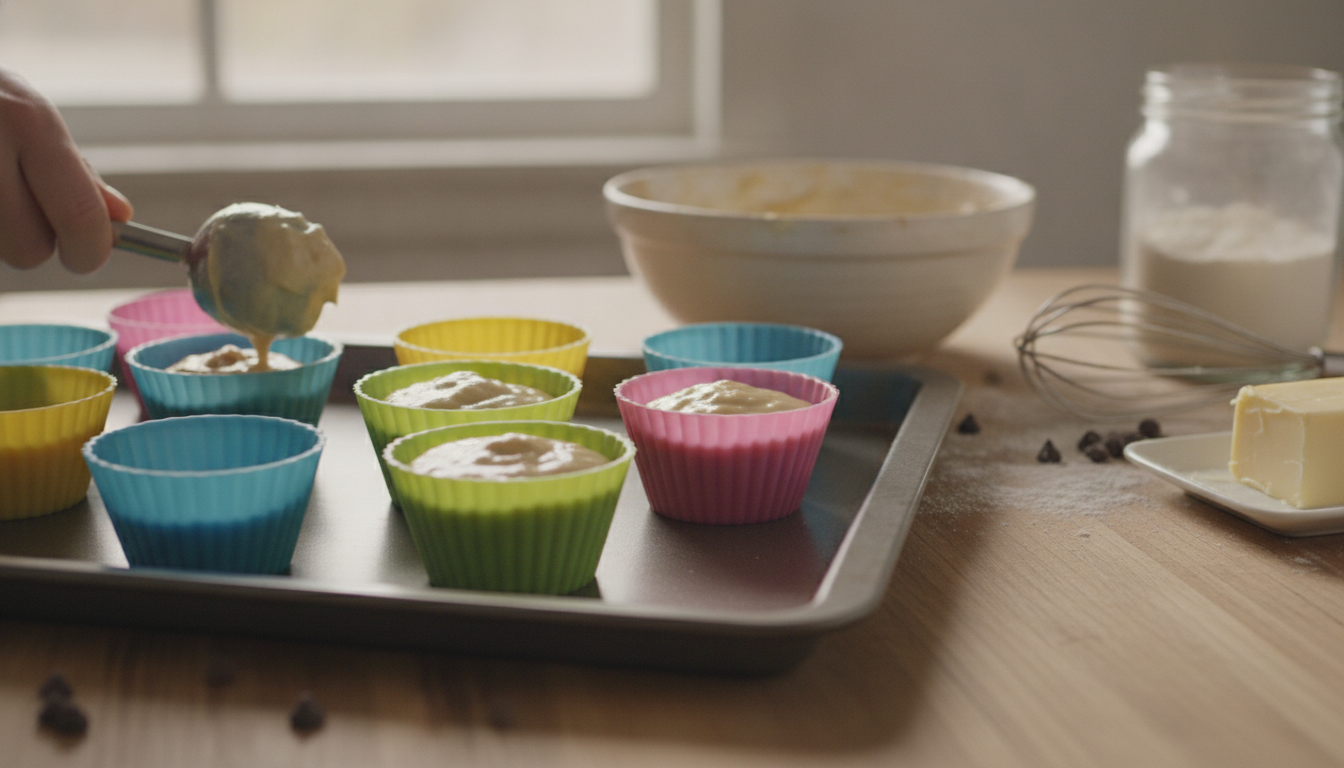
Yes, food-grade silicone baking cups are generally safe to use when you follow the manufacturer’s temperature and care instructions. They can be a reusable alternative to paper liners for muffins, cupcakes, and other baked goods, but the cups should be intended specifically for food use and oven baking.
What should you look for before baking?
Choose cups clearly identified as food-grade and check their stated maximum oven temperature before using them, since heat limits can vary by product. Avoid cups with damage, an unusual persistent odor, or an unknown material composition, and replace them if they become cracked or begin to deteriorate.
Featured in this guide
4-Piece Silicone Baking & Cooking Tool Set – Whisk, Spatula, Scraper & Brush
How do you use silicone cups safely?
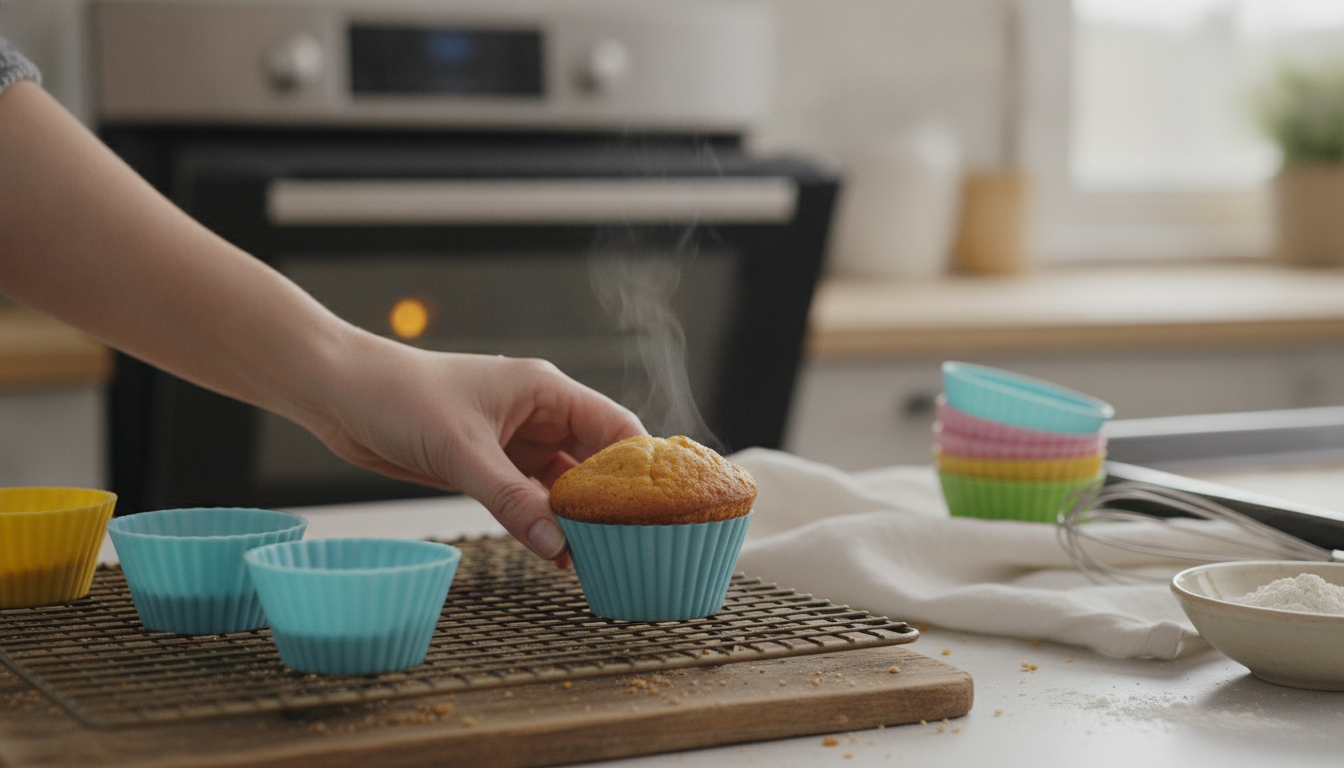
Place the cups on a stable baking sheet or in a muffin pan before filling them, which makes a batch easier to move into and out of the oven without spills. Keep them away from direct flames, broilers, and exposed heating elements unless the manufacturer specifically permits that use, and let both the cups and baked goods cool enough to handle safely.
How should you clean and store them?
Wash silicone cups with warm water and dish soap before their first use and after each batch, taking care to remove any residue from folds or ridges. Follow the manufacturer’s dishwasher guidance if you prefer machine washing, and let the cups dry fully before storing them in a clean place.
How to use the brush
1
Prepare the brush for the safety check
2
Clean the brush with the material-approved method
3
Remove cleaner residue from every brush surface
4
Let the brush dry completely before use
For the full product context, see the main Owleys guide.
FAQ
Are silicone baking cups healthy to use?
Food-grade silicone cups are a practical choice for baking when they are clean, undamaged, and used as directed. The nutritional value of what you bake depends primarily on your ingredients and portions, not on whether you use silicone cups or paper liners.
See if 4-Piece Silicone Baking & Cooking Tool Set – Whisk, Spatula, Scraper & Brush fits your setup












Leave a comment