In-Ear Monitor System Costs: Wired vs. Wireless

53% off on product page · save $407.49
In-Ear Monitor System Costs: Wired vs. Wireless
What goes into the total cost?
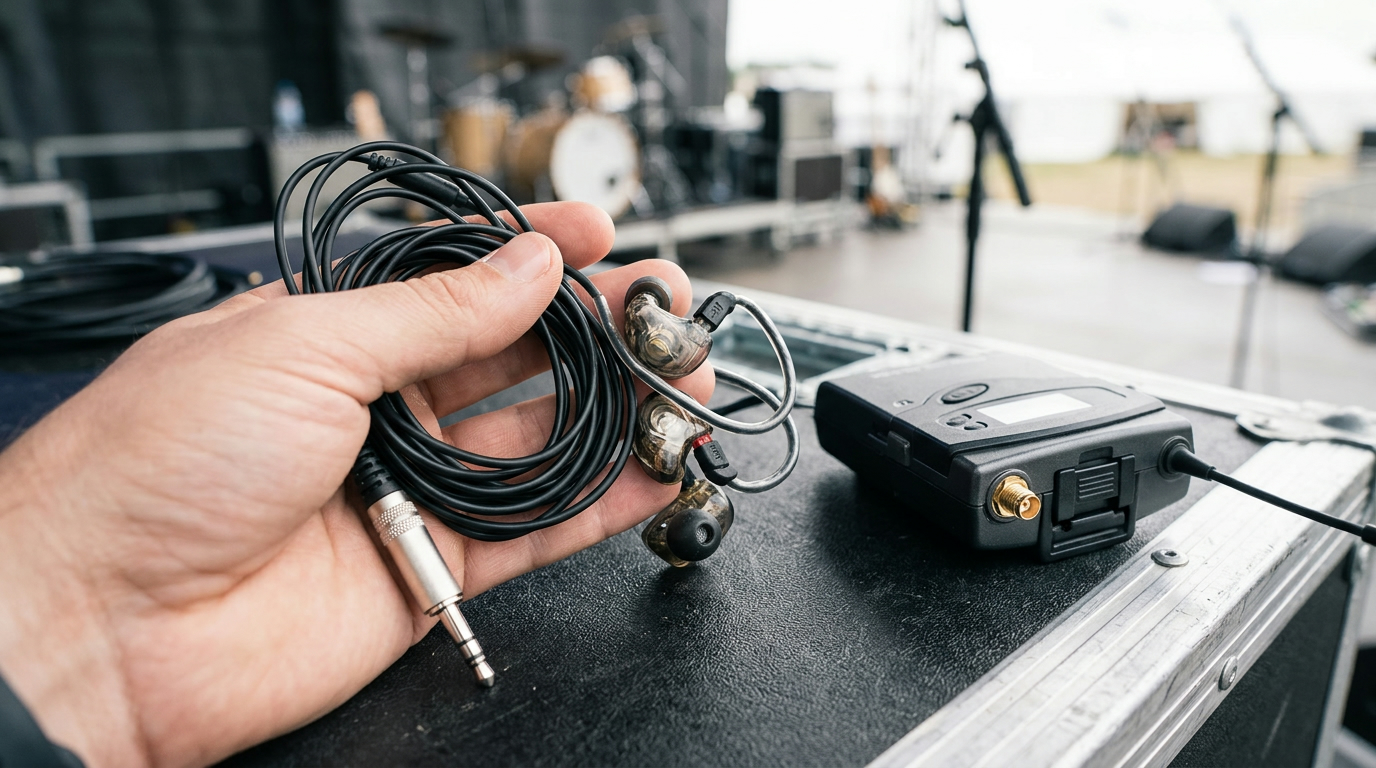
For a wireless setup, account for the transmitter, a receiver for each listener, in-ear monitors, and any cables, batteries, or charging accessories you need. You may also need a mixer or additional monitor outputs to give performers their own mixes, so count your listeners and review your existing equipment before comparing system prices.
Check the product’s listed specifications when evaluating what goes into the total cost.
Featured in this guide
Tribrid In-Ear Monitors
Where is it worth spending more?
Start with earphones that fit securely and seal comfortably: a poor seal can make bass sound thin and tempt you to turn up the volume, regardless of what you spent on the wireless hardware. Replace worn ear tips, keep them clean, and begin each session at a low volume; our team would prioritize those habits over paying for a more complex system you do not need.
How do tribrid IEMs fit into the budget?
Tribrid In-Ear Monitors are an earphone choice to consider separately from the cost of a complete monitoring system, so do not assume an IEM price includes wireless transmission equipment. If you are comparing earphone designs, our Tribrid In-Ear Monitors buying guide can help you frame that choice while you set a separate budget for the gear that delivers your monitor mix.
Check the product’s listed specifications when evaluating how do tribrid iems fit into the budget.
FAQ
Are in-ear monitors worth it?
They can be worth it if you need to hear a consistent personal mix during rehearsals or performances, particularly when stage sound makes that difficult. Before committing to a wireless system, consider whether a less expensive wired setup would meet your needs and whether you can wear the earphones comfortably for a full session.
See if Tribrid In-Ear Monitors fits your setup













Leave a comment