How to Stop Spending Money: Practical Tips That Work

How to Stop Spending Money: Practical Tips That Work
Make spending less convenient
Remove saved payment information from shopping sites, unsubscribe from promotional emails, and turn off shopping app notifications so you have fewer prompts to buy. When you find something you want, put it on a list and wait 24 hours—or longer for a larger purchase—before deciding whether it still fits your budget.

Give your money a job
After covering essential bills, decide how much you can comfortably set aside for savings and how much you can use for discretionary purchases, such as takeout or entertainment. Keep that spending money in a separate account or use cash if it helps you see your remaining balance, and pause nonessential purchases when the amount is gone.

Featured in this guide
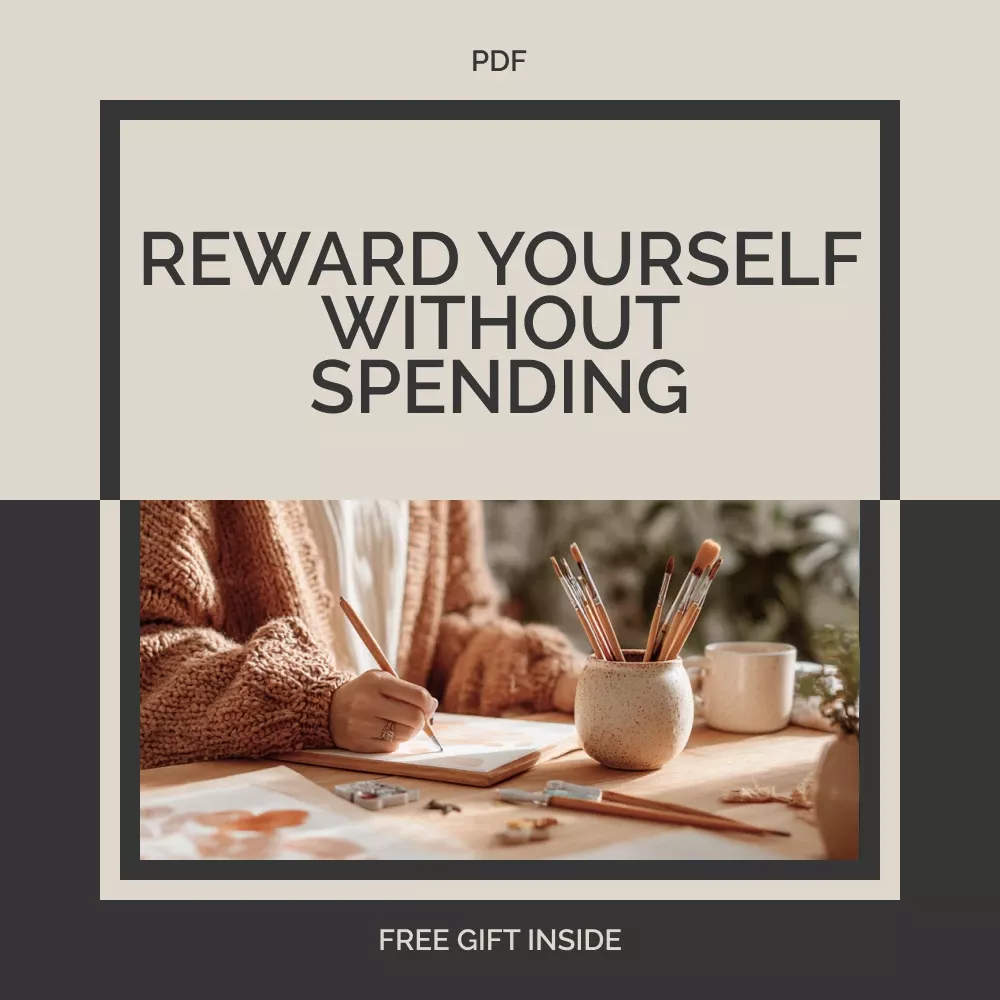
The “Reward Yourself Without Spending” Checklist: Mindful & Creative Self-Care Hacks
Plan for your spending triggers
Notice when you tend to shop, whether it’s when you’re bored, stressed, or scrolling through social media, and choose an alternative before that moment arrives. For example, take a walk, call a friend, use supplies you already own for a creative project, or set aside time for a favorite book instead of browsing online stores.
Reward progress without buying more
Our “Reward Yourself Without Spending” Checklist: Mindful & Creative Self-Care Hacks is a financial education resource to consider when you want ideas for recognizing progress without making a purchase. You can also revisit our guide to spending less as you adjust your plan, remembering that an occasional unplanned purchase is a reason to reset, not give up.
Watch · product page video
“This checklist has brought a new perspective to my life. It’s not about spending, but fulfillment. A great tool!”
Allurete product page · Product review
FAQ
What is the $27.40 rule?
The $27.40 rule is a savings target: setting aside about $27.40 a day adds up to roughly $10,000 over 365 days. If that amount doesn’t fit your budget, choose a smaller daily or weekly target that you can sustain while meeting your essential expenses.
See if The “Reward Yourself Without Spending” Checklist: Mindful & Creative Self-Care Hacks fits your setup













Leave a comment