Are Silicone Baking Cups Healthy to Use? A Safety Guide

82% off on product page · save $24.48
Are Silicone Baking Cups Healthy to Use? A Safety Guide
Are Silicone Baking Cups a Healthy Choice?
Silicone baking cups can be a reasonable choice for everyday baking when they are made for food contact and used within their manufacturer’s temperature limits. They offer a reusable alternative to disposable paper liners, though the cups themselves do not make muffins or other baked goods more or less nutritious.
We recommend choosing cups clearly labeled for food use and oven use, rather than assuming that every silicone item is suitable for baking. Follow the supplied care and temperature instructions, and replace cups that become torn, cracked, sticky, or otherwise damaged.
How to Use Silicone Cups Safely
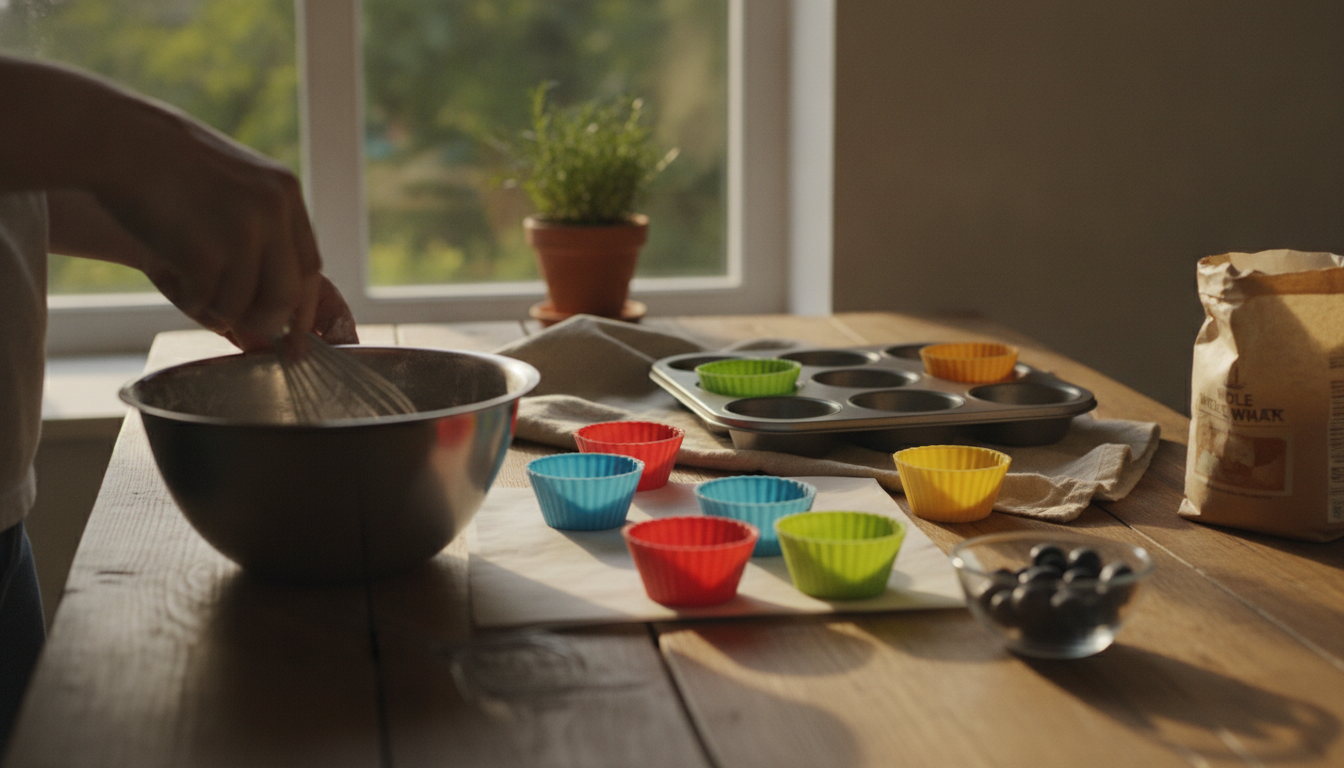
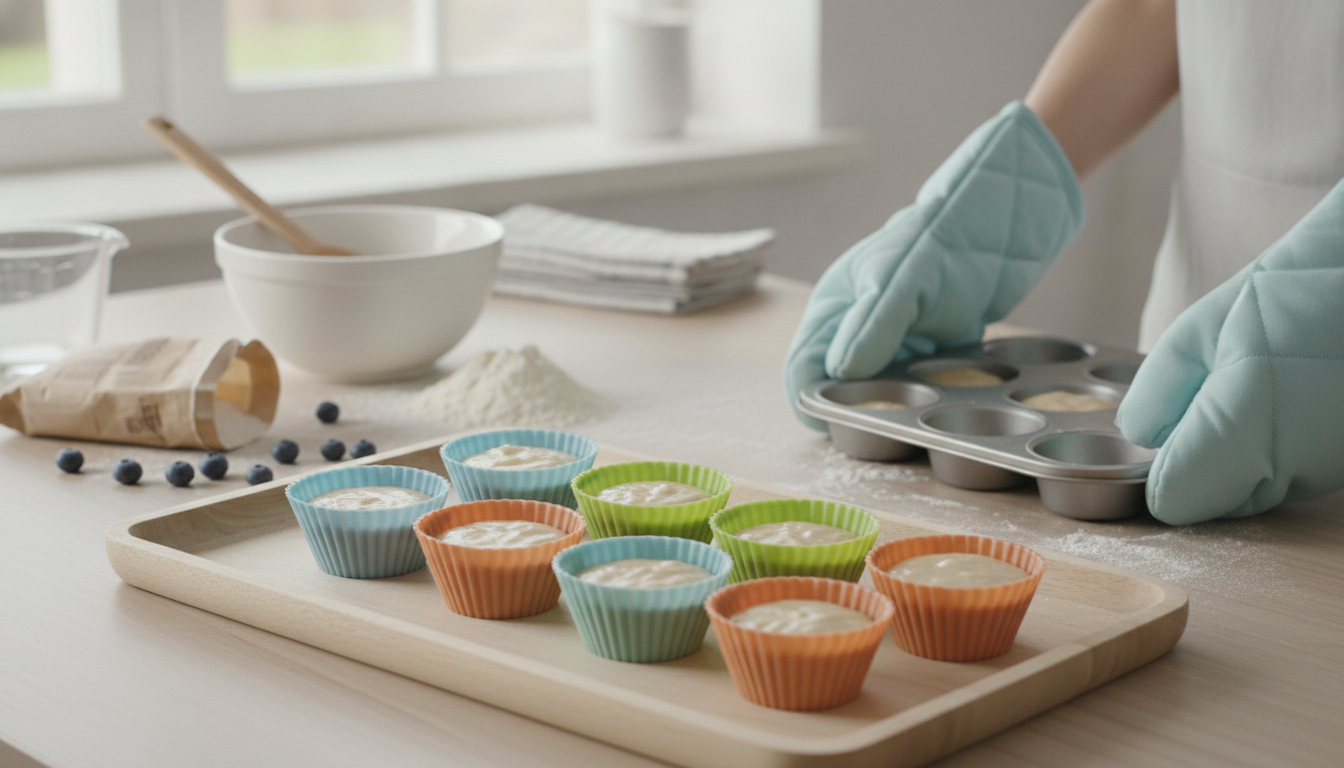
Place the cups on a baking sheet or in a muffin pan before filling them, so they are easier to move without spilling batter. Keep them away from direct flame, stovetop burners, and broiler elements, and do not exceed the temperature limit specified for your cups.
Allow the cups to cool enough to handle comfortably before removing your baked goods, since both the cups and their contents can be hot. If you are trying a new recipe, start checking for doneness at the usual time and adjust future batches as needed for your oven and pan setup.
Featured in this guide
4-Piece Silicone Baking & Cooking Tool Set – Whisk, Spatula, Scraper & Brush
How Do They Compare With Paper Liners?
Paper liners are convenient when you want to serve or share individual portions without retrieving reusable cups, while silicone cups can be washed and used again. Neither option is automatically healthier for the food you bake; the ingredients, portion size, and preparation matter more to its nutritional value.
Our team suggests considering how you bake and clean up: reusable cups may suit frequent home baking, while disposable liners may be simpler for a large gathering. Silicone cups can also be flexible, so placing them in a rigid pan can make filling and transferring them more manageable.
Cleaning and Caring for Silicone
Wash the cups thoroughly after each use, paying attention to ridges where crumbs or grease can collect, and dry them before storing. Use the cleaning method recommended by the manufacturer, and avoid abrasive tools that could damage their surfaces.
If you use other silicone tools, care for each item according to its own instructions rather than assuming all silicone products have the same heat limits. For more on our 4-Piece Silicone Baking & Cooking Tool Set—Whisk, Spatula, Scraper & Brush, visit our baking tool guide.
How to use the brush
1
Store the brush where it stays dry and reachable
2
Match the brush attachment to the seat or carpet surface
3
Run the brush slowly across upholstery seams and floor edges
4
Empty and recharge the brush after the safety check
See if 4-Piece Silicone Baking & Cooking Tool Set – Whisk, Spatula, Scraper & Brush fits your setup













Leave a comment