What Ear Monitors Do Professionals Use? IEM Guide
53% off on product page · save $407.49
What Ear Monitors Do Professionals Use? IEM Guide
What professionals look for in ear monitors
Professionals use in-ear monitors, or IEMs, that suit their work, whether they need to hear a live mix onstage, follow dialogue in a broadcast, or pick out game audio during competition. There is no single model every professional uses: fit, isolation, sound preference, durability, and the equipment in the signal chain all influence the choice.
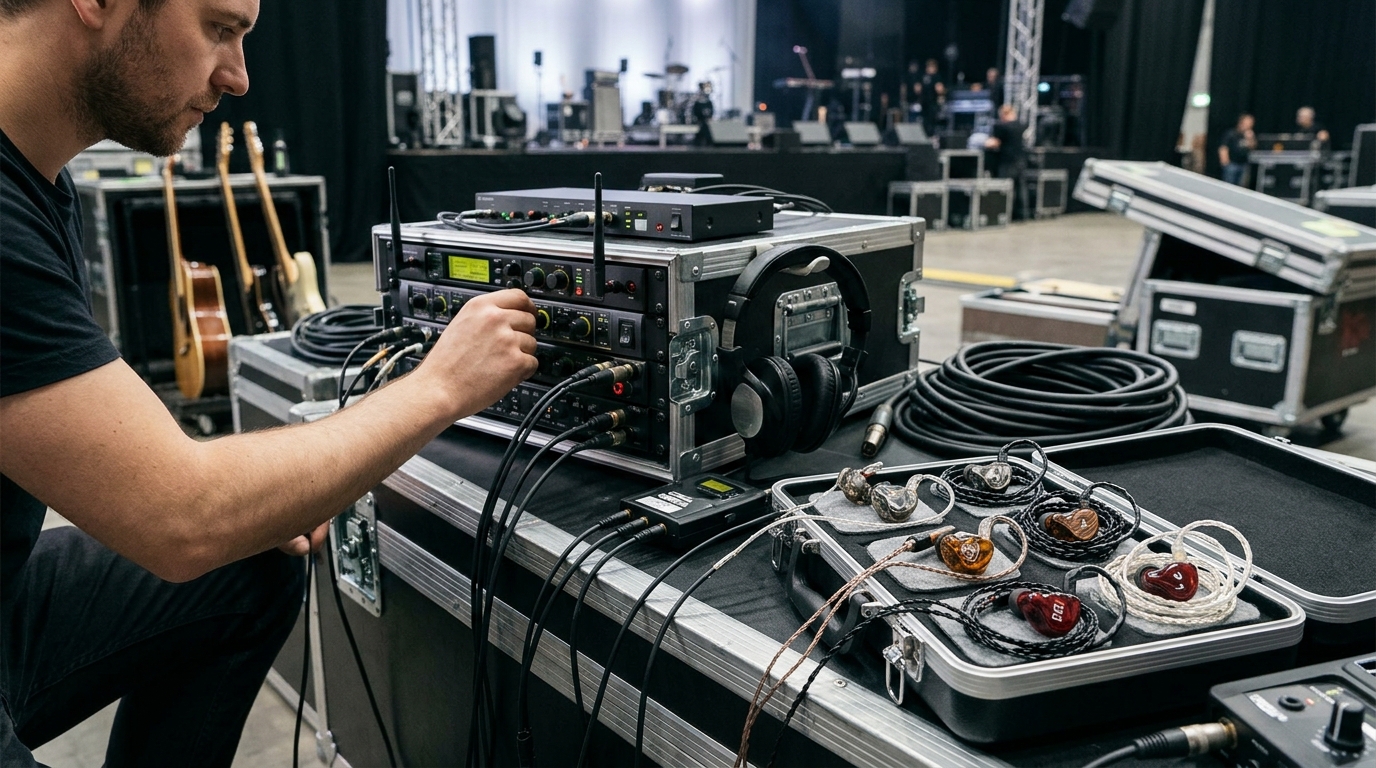
Some professionals use universal-fit monitors with replaceable ear tips, while others choose custom-molded earpieces made to fit their ears. Universal designs make it easier to try different tip sizes, whereas custom molds require an ear impression and a more involved fitting process.
Choosing monitors for music and gaming
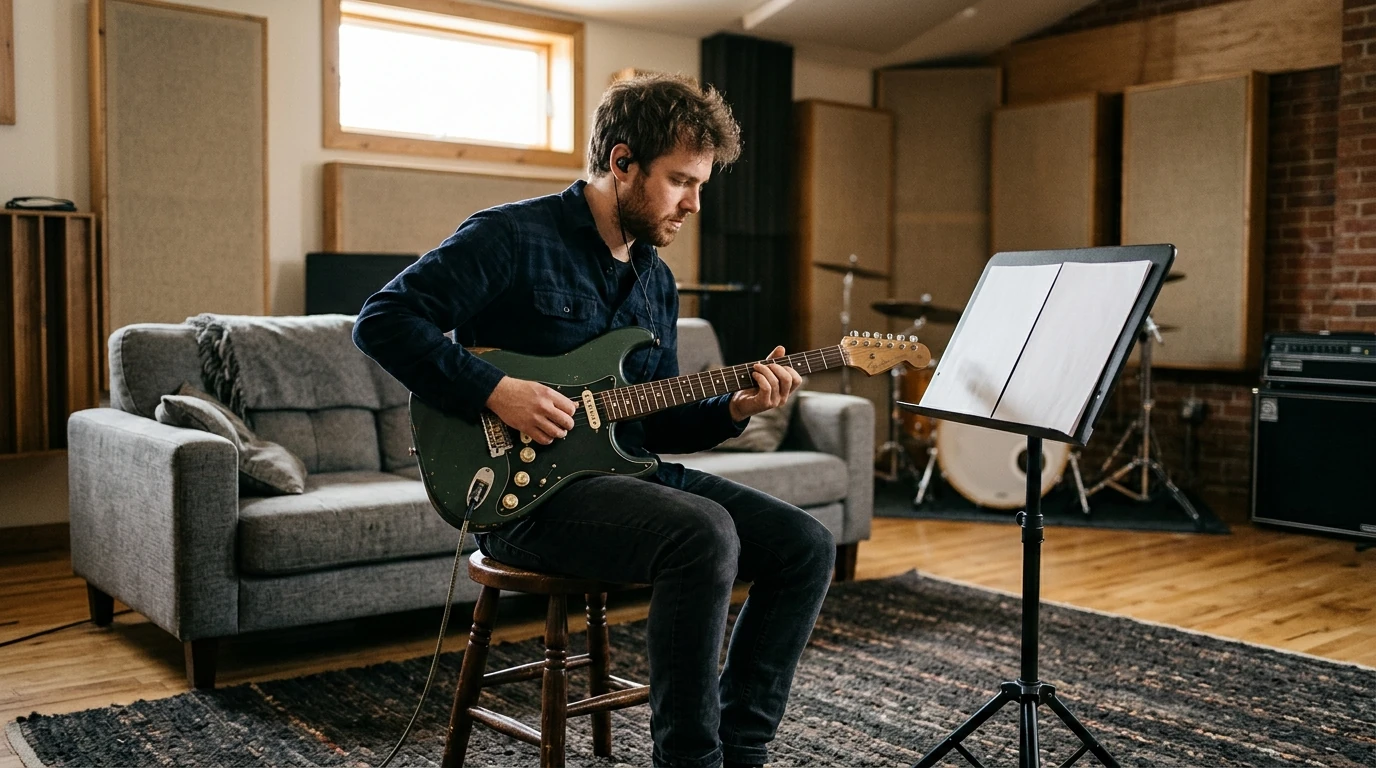
Musicians often choose IEMs that help them hear vocals, instruments, and timing cues clearly within a stage mix, with good isolation from surrounding sound. A comfortable seal matters during long rehearsals and performances, and removable cables can make replacement simpler when a cable wears out.
Competitive gamers may prioritize a comfortable fit for long sessions and a sound presentation that helps them distinguish in-game cues from dialogue and effects. Whether an IEM works with a particular gaming setup depends on its connector and the audio equipment being used, so you should confirm those details before choosing one.
Featured in this guide
Tribrid In-Ear Monitors
Understanding driver designs
Professional IEMs come in several driver configurations, including dynamic, balanced armature, hybrid, and tribrid designs; these terms describe the types or combinations of components used to produce sound. More drivers or driver types do not automatically make a monitor better for you, so compare the overall sound and fit rather than relying on driver count alone.
Our Tribrid In-Ear Monitors buying guide is a useful starting point if you want to explore that category. When comparing options, consider the music or audio you work with and whether you prefer a neutral presentation or a different tonal balance.
Fit, listening, and care
Try ear tips that create a secure seal without pain or excessive pressure, and replace worn tips when they no longer fit securely. A good seal can reduce the need to raise the volume over surrounding noise, but you should still listen at a moderate level and take breaks during long sessions.
After use, wipe the earpieces and tips, clear visible debris from the nozzles according to the manufacturer’s instructions, and store the monitors in a protective case. Our team also recommends avoiding sharp bends in the cable and keeping moisture away from the earpieces and connectors.
FAQ
What in-ear monitors do professional musicians use?
Professional musicians use both universal-fit and custom-molded IEMs, choosing models that suit their stage mix and comfort needs. Isolation, a secure fit, and clear reproduction of the cues they need to hear are common considerations.
What in-ear monitors do pro gamers use?
Pro gamers use a variety of IEMs rather than one standard model. You can compare fit, comfort, sound presentation, and connector requirements to find a pair that suits your setup.
See if Tribrid In-Ear Monitors fits your setup













Leave a comment